
OSO Spotless cleaning guide
NYC Apartment Winter Cleaning: Salt, Slush, and Dry-Season Dust
Winter changes what enters a New York home. Salt and wet grit collect at the door, heavy coats crowd small entries, windows stay closed, and heating makes fine dust more noticeable. The cleaning plan should change with the season.
Published 2026-08-01 · By OSO Spotless Cleaning Service
Stop grit at the entry
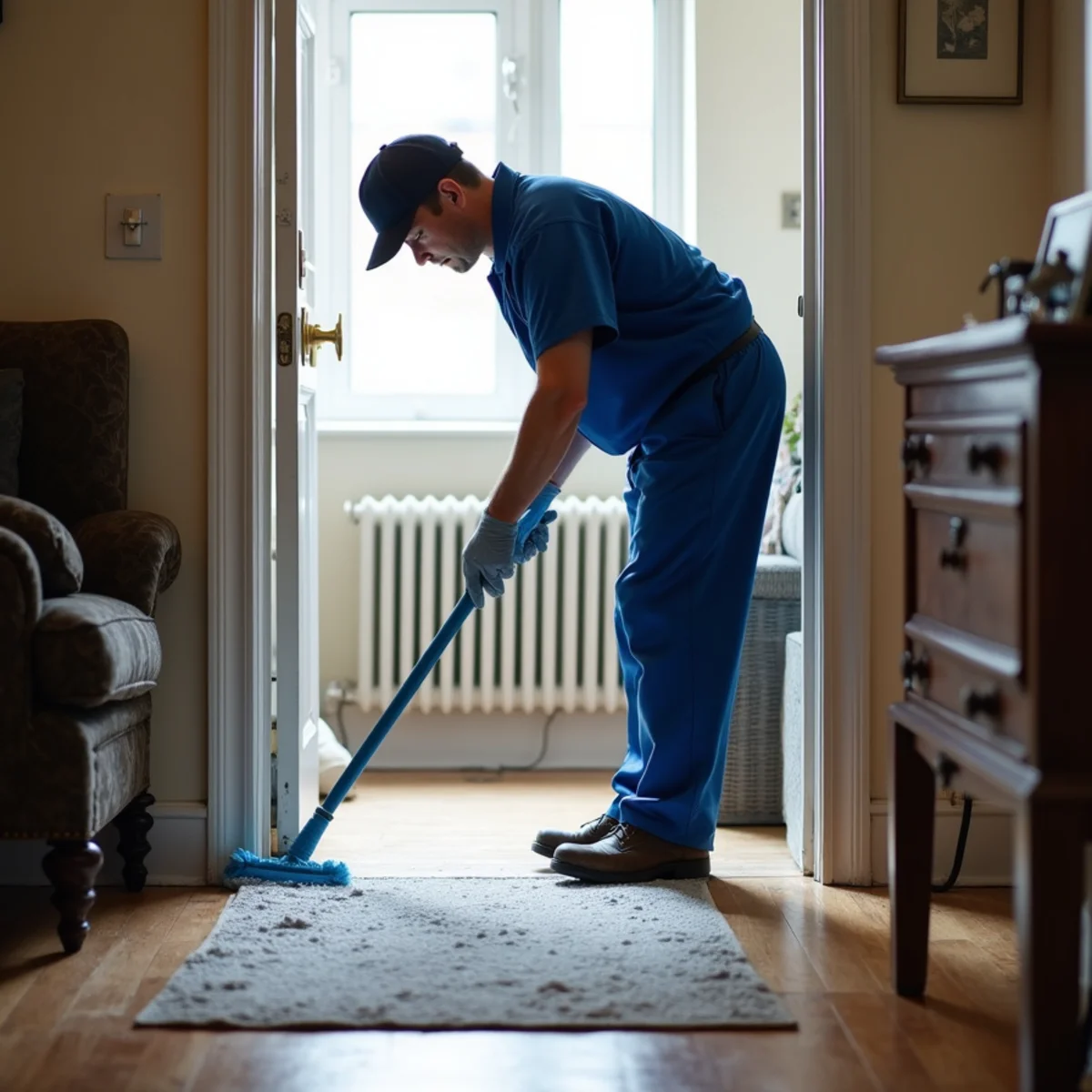
Use an absorbent inner mat and a durable outer mat where the building allows. Create a tray or defined spot for wet shoes rather than letting saltwater reach wood or stone.
Blot moisture promptly. Do not scrub unknown stone or wood with a strong product; follow the finish’s care guidance.
- Two-stage mat setup
- Shoe tray or boot zone
- Prompt moisture removal
- Frequent entry vacuuming
- Surface-safe floor care
Heating season makes dust visible
Radiators and forced air move dust across ledges, furniture, and floors. Keep the area around heat sources clear and clean only when equipment is safe and cool.
Professional cleaners should not disassemble radiators or HVAC equipment. Maintenance belongs with the building or a qualified technician.
Manage small-space winter clutter
Coats, umbrellas, bags, and delivery boxes can block the surfaces that need cleaning most. Before an appointment, consolidate them into a closet or safe zone outside the scope.
Clear floors let cleaners remove grit before it scratches or spreads into bedrooms and living areas.
- Store dry coats and umbrellas
- Break down delivery boxes
- Keep hallways clear
- Secure wet pet gear
- Expose reachable baseboards
Shift recurring priorities
Winter visits may need more entry and floor attention and less interior-window work. Kitchens and bathrooms also carry more use when people spend longer indoors.
Tell the cleaner where salt is concentrated and which floor product the manufacturer recommends. Seasonal specificity produces better results than a generic note to focus on floors.
Set a safe winter arrival and floor plan
Before a storm-day appointment, confirm that the building entrance, exterior steps, walkway, driveway, and required service path are safely accessible. Share delays, transit restrictions, parking changes, or a rescheduled elevator window as soon as possible. Apartment cleaners are not snow-removal crews and should not be expected to cross untreated ice or perform sidewalk work. In a managed building, separate the building’s lobby and common-area responsibility from the cleaning scope inside your unit.
Once indoors, identify the floor material before treating white salt film or dark wet grit. Remove loose abrasive particles first and use only a method approved for the wood, stone, tile, laminate, or carpet involved; a universal acidic or strong DIY solution can damage finishes. Isolate active leaks, standing water, cracked flooring, or an operating radiator that is too hot to approach, then contact building maintenance. Cleaning can address safe residue after the source and access problem are controlled.
- Confirm safe steps, paths, parking, and entry
- Keep sidewalk and snow work outside apartment cleaning
- Separate common-area and in-unit scopes
- Identify floor material before treating salt film
- Escalate leaks and hot or malfunctioning radiators
Turn this guide into a useful cleaning plan
Start by walking through the property with this specific topic in mind: nyc apartment winter cleaning. Write down the rooms, surfaces, access limits, and current condition that relate to the problem. Separate cleaning tasks from repairs, restoration, property management, moving labor, or unsafe high access. That distinction keeps the appointment focused and prevents a general cleaning visit from being assigned work that needs another qualified provider.
Next, choose the service level from the condition you see, not from the price or shortest appointment alone. A maintained surface needs a different scope from months of buildup, a vacant turnover, or renovation residue. List optional work—such as appliance interiors, cabinets, drawers, or reachable interior windows—before booking. Extras consume real time, and asking for them at the door can force the cleaner to leave another priority unfinished.
Prepare the property by clearing loose items, securing valuables, identifying fragile or specialty materials, and arranging pets. In a New York building, confirm the buzzer, floor, doorman, key, service entrance, elevator, and vendor requirements. Leave a working contact and a backup entry method. The cleanest checklist in the world cannot recover an appointment delayed in the lobby.
After service, review the agreed scope in good light and report concerns specifically. Name the room and surface, then share a photo when helpful. Useful feedback gives the team a fair opportunity to address the issue under the satisfaction policy. For recurring care, adjust the frequency before buildup returns and update priorities when seasons, occupancy, pets, work schedules, or property use change.
Related professional cleaning services
Explore local cleaning pages
Continue with related cleaning guides
Get a plan for your space
Good cleaning starts with the correct scope. Share the property type, condition, priorities, access, and preferred schedule with OSO Spotless. The team will help match your needs to the appropriate service rather than forcing your home into a generic checklist.